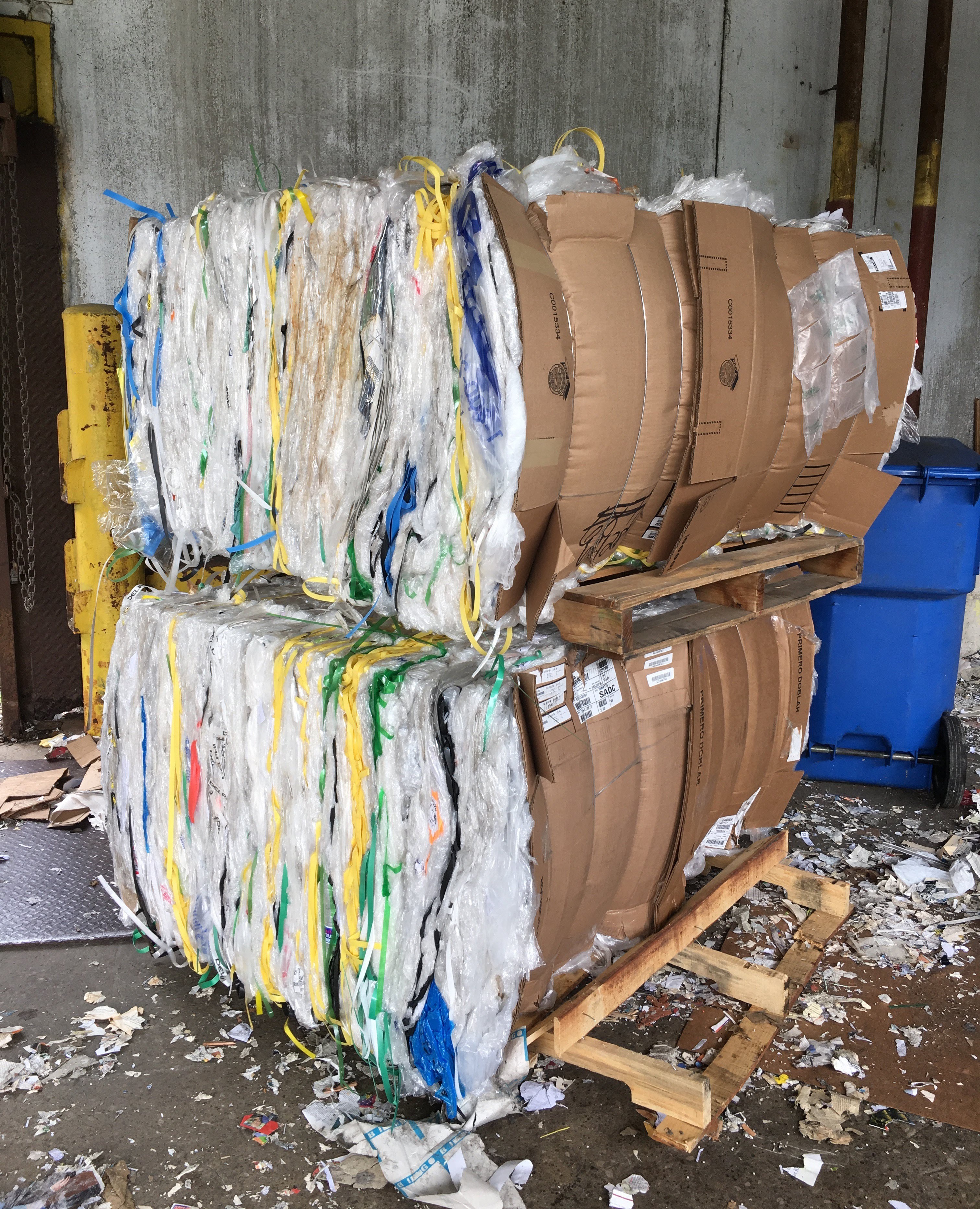
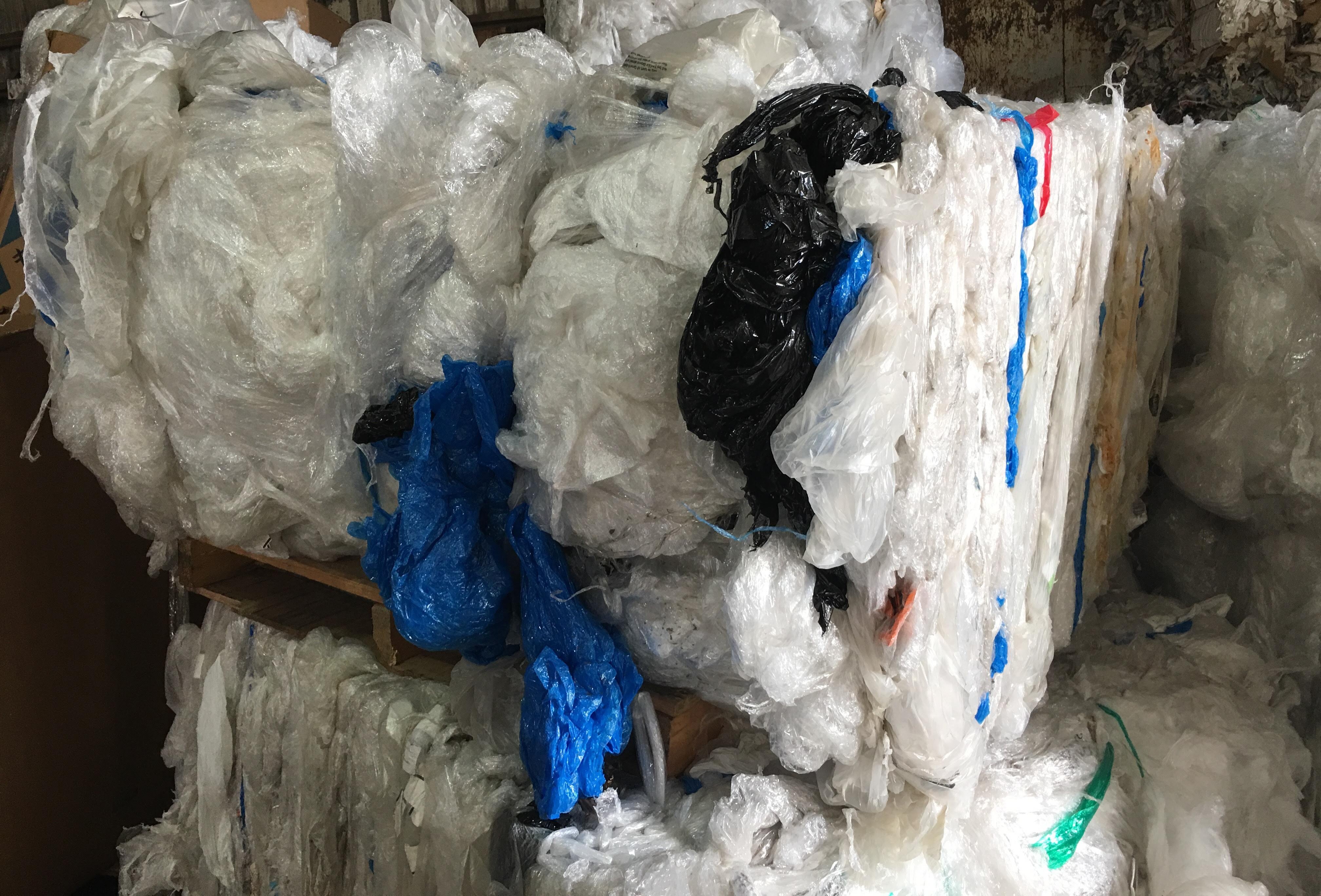
The term “bale” can mean different things depending on the application, the material, and the equipment being used.
Take PET, for example. Can you technically make a bale of PET in a vertical baler? Yes. With headers on the top and bottom, you can compress the material into a form that holds together and call it a bale.
But the more important question is: did you actually accomplish anything meaningful?
In many cases, the answer is no.
Not All Balers Are Created Equal
A vertical baler will “bale” just about anything. That flexibility makes it a popular and cost-effective solution for OCC at manufacturing facilities, warehouses, and retail locations.
That said, vertical balers are labor-intensive and come with limitations. Cycle times are slower, material handling often requires more operator involvement, and bale density may not be optimized for certain materials.
As recycling operations evolve, these limitations matter more than they did decades ago.
Efficiency Matters More Than Ever
Twenty to twenty-five years ago, conversations about efficiency were very different. Today, facilities are taking a much closer look at the full picture of scrap processing.
- Hauling costs continue to rise
- Labor costs are increasing
- Baling wire is more expensive than ever
- Internal plant logistics are under greater scrutiny
As a result, higher-efficiency balers — such as auto-tie horizontals and closed-door systems — have become far more common. In many cases, higher-density horizontal balers can deliver a return on investment based on logistics alone: fewer trips from the baler to the trailer, improved throughput, and better material flow.
When these factors are combined, facilities are often able to justify equipment upgrades that simply didn’t pencil out years ago.
Choosing the Right Bale Is About the Details
At Black River Trading, we believe there’s no one-size-fits-all answer when it comes to baling solutions.
Sometimes, a vertical baler is the right choice. Other times, a small step up — such as moving from an eight-inch cylinder to a ten-inch cylinder — can make a significant difference in productivity and long-term cost savings.
Our job isn’t to push equipment. Our job is to show you the full range of options, explain the trade-offs, and help you make an informed decision.
With decades of combined experience, our team takes the extra time to walk through real-world applications, material characteristics, and operational goals. We’ve seen just about everything… at least until the next unique challenge comes along.
If you’re evaluating your current baling process or wondering whether your “bale” is really working for you, we’re here to help you explore the possibilities.