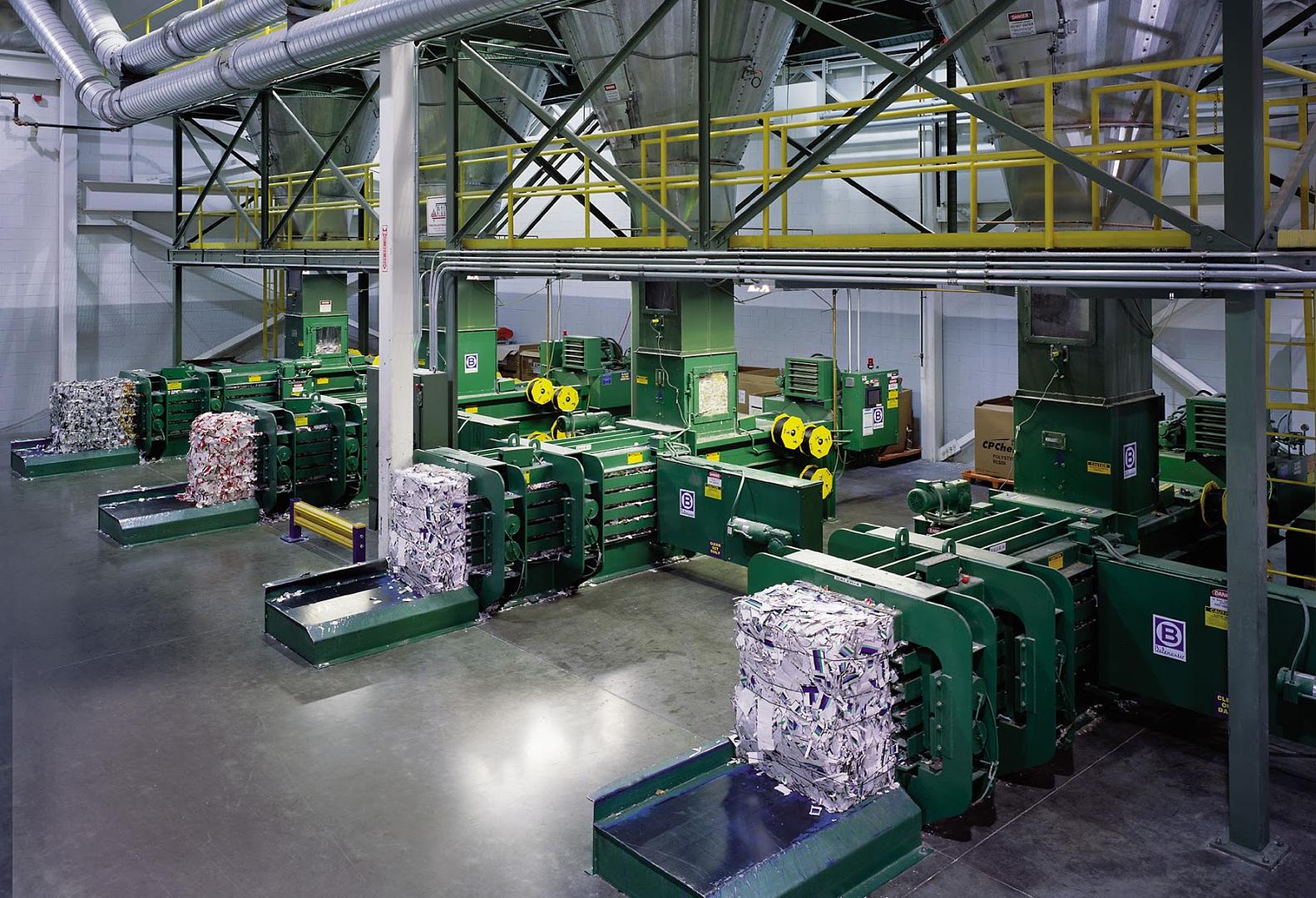
Choosing the right baler is one of the most important decisions a recycling operation makes — and one of the most misunderstood.
When a baler is mismatched to the application, the consequences show up everywhere: excessive labor, safety risks, inconsistent bale weights, light-load chargebacks, and premature equipment wear. In many cases, these issues aren’t caused by poor operators or bad markets — they’re caused by the wrong equipment for the job.
Proper baler selection starts with understanding:
- Material type and behavior (OCC, PET, UBCs, mixed recyclables)
- Daily and hourly throughput
- Labor availability and workflow
- Space constraints and layout
- Downstream requirements from mills and buyers
A baler that fits the application reduces handling, improves safety, and produces more consistent, mill-ready bales. Over time, that translates directly into lower operating costs and higher net revenue.
At Black River Trading, we focus on application-first equipment selection because we’ve seen how costly the wrong choice can be over the life of a machine.