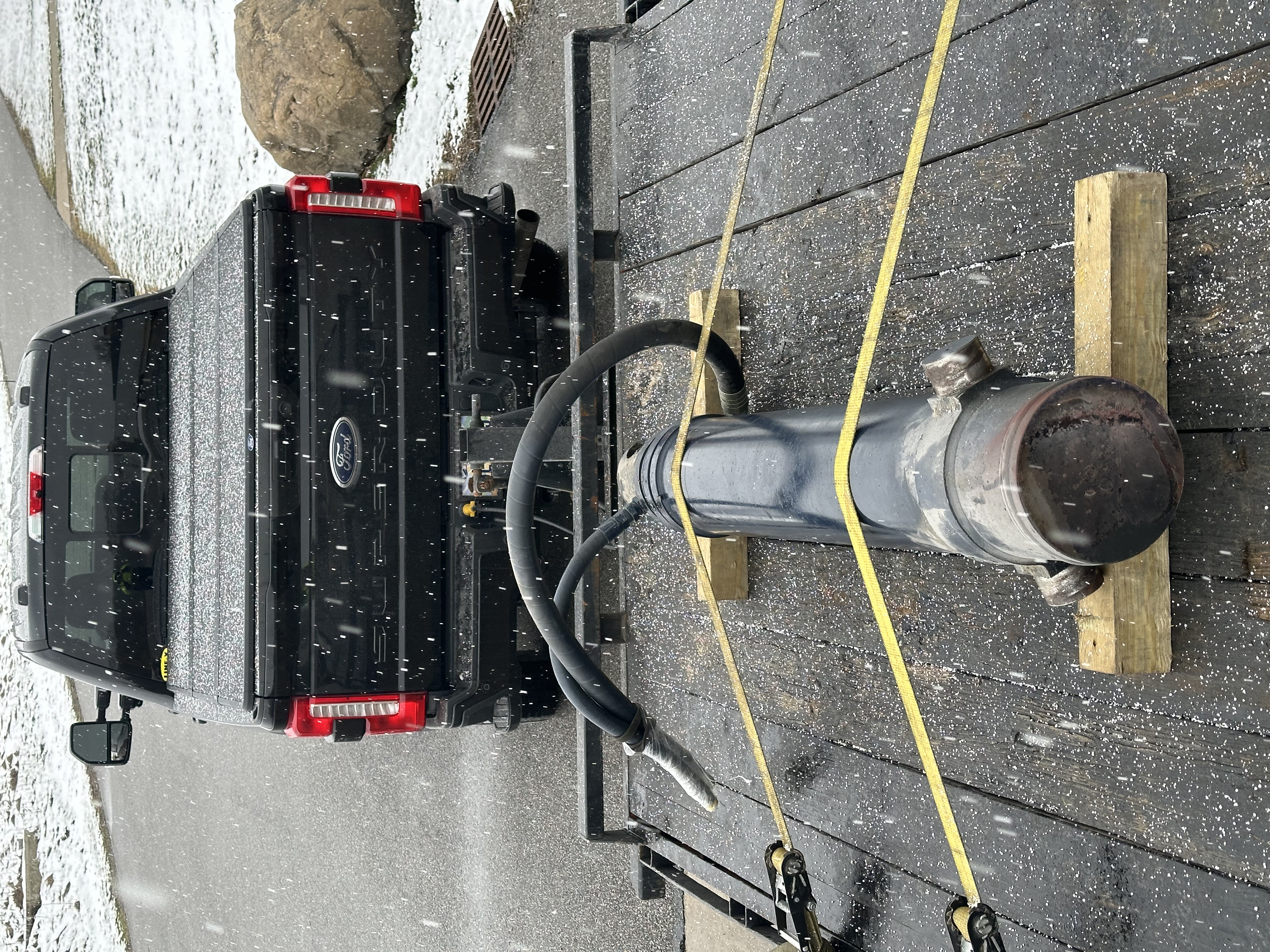
Hydraulic systems are the backbone of most recycling equipment — balers, compactors, shredders, and conveyors all depend on hydraulic fluid to operate safely and efficiently.
When hydraulic fluid is not maintained at the proper temperature, equipment performance suffers, component life is reduced, and the risk of downtime increases significantly.
This is especially true during cold weather operations.
How Cold Temperatures Affect Hydraulic Systems
Hydraulic fluid is designed to flow within a specific temperature range. When temperatures drop too low, the fluid becomes thicker and less responsive.
Common cold-weather hydraulic issues include:
- Slower cycle times and delayed machine response
- Increased pressure spikes during startup
- Excessive strain on pumps, motors, and valves
- Premature seal and hose failure
- Inconsistent baler or compactor performance
These problems often show up first thing in the morning or during prolonged cold snaps — and they’re frequently mistaken for mechanical failures when the real issue is fluid temperature.
Indoor vs Outdoor Recycling Equipment
For indoor equipment in heated facilities, proper warm-up procedures and routine maintenance are often enough to keep hydraulic systems operating correctly.
For equipment located outdoors or exposed to the elements, additional steps are required:
- Use cold-temperature–approved hydraulic fluid designed for winter operation
- Install oil heaters or circulation systems where appropriate
- Allow sufficient warm-up time before running at full load
- Monitor oil condition and viscosity throughout the season
Using standard hydraulic oil in freezing conditions can lead to repeated failures that are expensive and avoidable.
The Importance of Cold-Temperature Hydraulic Fluid
Cold-weather hydraulic fluids are engineered to:
- Maintain proper viscosity at lower temperatures
- Flow more consistently during startup
- Reduce stress on pumps and valves
- Improve overall system reliability in winter
Switching to a cold-temperature–approved hydraulic fluid is one of the simplest and most cost-effective steps facilities can take to protect their recycling equipment during winter months.
Best Practices for Winter Hydraulic System Care
To keep recycling equipment running reliably in cold conditions, consider the following best practices:
- Verify the correct hydraulic fluid for your operating environment
- Follow manufacturer-recommended warm-up procedures
- Inspect hoses, fittings, and seals regularly
- Monitor fluid temperature and cleanliness
- Schedule preventative maintenance before winter sets in
These steps not only reduce downtime but also extend the life of critical hydraulic components.
How BRT Helps Customers Prepare for Winter Operation
At Black River Trading, we work with customers every winter to address cold-weather challenges before they turn into equipment failures.
Our team supports recycling operations with:
- Equipment evaluations for winter readiness
- Hydraulic system inspections
- Fluid recommendations based on environment and application
- Preventative maintenance and service support
Whether your equipment is indoors, outdoors, or somewhere in between, preparing your hydraulic systems for cold temperatures is essential for safe and reliable operation.
Final Thoughts
Hydraulic systems don’t fail because it’s winter — they fail because they weren’t prepared for it.
Maintaining proper hydraulic fluid temperature, using cold-weather–approved fluids when required, and following best practices can make the difference between smooth winter operation and costly downtime.
If you’re unsure whether your recycling equipment is ready for cold weather, Black River Trading is here to help you evaluate your system and plan ahead.