Workplace injuries in industrial environments rarely happen without warning.
In facilities operating recycling equipment such as auto-tie balers, two-ram balers, industrial shredders, and conveyor systems, incidents are typically the result of contributing factors that develop over time — not sudden, unpredictable events.
Understanding these factors is key to improving safety, reducing downtime, and protecting both people and equipment.
The Real Causes Behind Workplace Injuries
Most workplace injuries can be traced back to a combination of unsafe conditions and unsafe actions .
In industrial environments, several contributing factors consistently show up.
Distractions
Distractions — both physical and mental — reduce focus on the task at hand.
In facilities with moving machinery, heavy materials, and high production demands, even a brief loss of focus can lead to:
- improper equipment operation
- delayed reactions
- unsafe positioning around machinery
Maintaining focus is critical when working around industrial balers and recycling equipment.
Complacency
Repetition creates familiarity — and familiarity often leads to complacency.
Operators who perform the same tasks daily may begin to:
- skip inspection steps
- ignore procedures
- rely on assumptions
This increases risk, especially when working with high-force equipment such as auto-tie balers and two-ram balers.
Poor Housekeeping
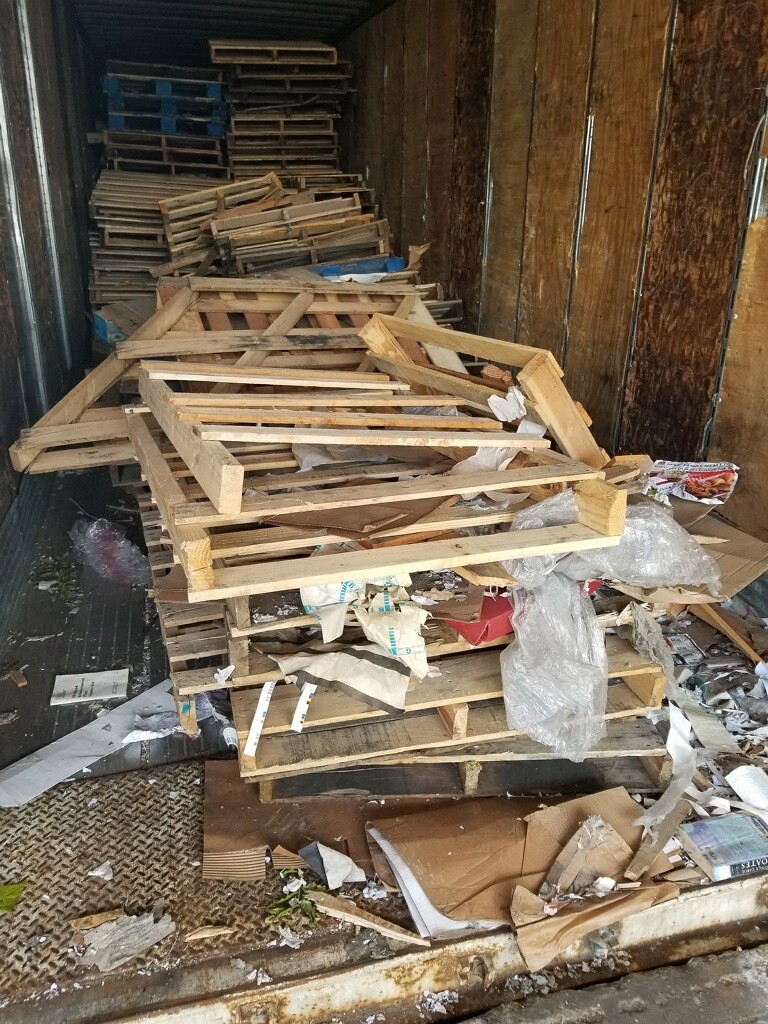
Housekeeping is one of the most overlooked contributors to workplace injuries.
Material buildup, clutter, and debris can lead to:
- slips, trips, and falls
- restricted movement around equipment
- blocked access to safety devices
In recycling equipment environments, housekeeping directly impacts both safety and equipment performance.
Lack of Planning
Poor preplanning creates unsafe conditions before work even begins.
Without proper planning, teams may:
- use incorrect tools
- operate equipment improperly
- lack proper training
- rush tasks under time pressure
This is especially dangerous when servicing or operating heavy industrial machinery.
Taking Shortcuts
Shortcuts are one of the most common contributing factors to workplace injuries.
They often happen because:
- tasks feel routine
- time pressure exists
- risk is underestimated
In industrial environments, shortcuts around equipment like balers and shredders can quickly lead to serious incidents.
Why This Matters in Recycling Equipment Operations
Facilities operating recycling equipment deal with:
- high-force hydraulic systems
- moving mechanical components
- heavy material bales
- continuous processing systems
These environments require consistent attention, discipline, and adherence to safe work practices.
Eliminating contributing factors is one of the most effective ways to prevent injuries and improve operational reliability.
The BRT Perspective
At Black River Trading, we work with facilities operating industrial recycling equipment every day.
We see firsthand that injuries are rarely caused by a single event — they are usually the result of multiple small contributing factors.
That’s why strong operations focus on:
- awareness
- inspection
- training
- accountability
These elements create safer environments and more reliable equipment performance.
Final Thought
Workplace injuries are preventable — but only when the contributing factors are recognized and addressed.
Distractions, complacency, poor housekeeping, lack of planning, and shortcuts may seem small individually, but together they create real risk.
In industrial environments, especially around recycling equipment, attention to these details makes the difference between safe operation and preventable incidents.