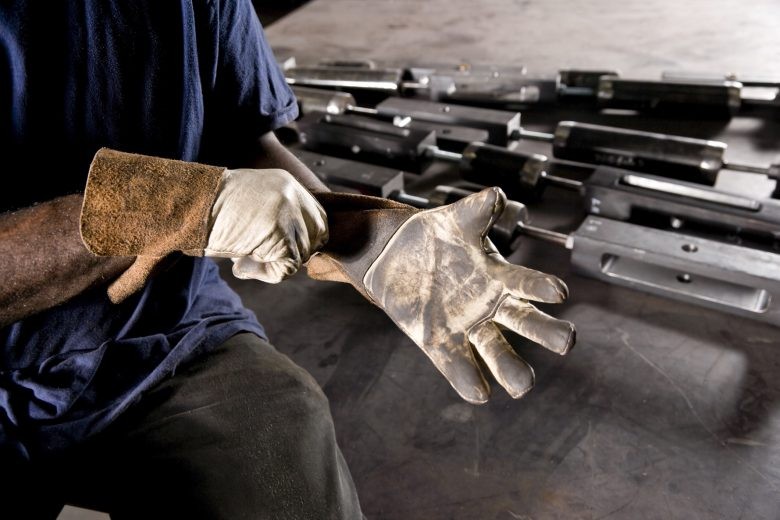
In industrial environments, workers’ hands are their most valuable tools — and also one of the most vulnerable.
Facilities operating recycling equipment such as auto-tie balers, two-ram balers, industrial shredders, and conveyor systems expose workers to mechanical, hydraulic, and material handling risks every day.
Hand injuries are common, but they are also highly preventable when the right practices are in place.
Why Hand Safety Matters in Industrial Equipment Environments
Industrial recycling operations involve:
- moving machinery
- pinch points
- sharp materials
- heavy components
- repetitive motion
Even minor injuries can impact productivity, safety, and overall performance.
As highlighted in safety guidance , proper hand protection and training are critical to reducing these risks.
Beyond Gloves: What Actually Prevents Injuries
While personal protective equipment (PPE) such as safety gloves is essential, it is only one part of a larger system.
Preventing hand injuries requires a combination of:
Training and Awareness
Workers must understand:
- when to wear gloves
- what type of gloves to use
- how to recognize hazards
Assuming workers already know leads to unnecessary injuries.
Supervisor Involvement
Supervisors play a key role in safety.
When leaders:
- follow procedures
- reinforce safety practices
- engage with workers
safety becomes part of the culture, not just a rule.
Addressing Human Factors
Many injuries occur because of human factors such as:
- rushing
- fatigue
- frustration
- complacency
These conditions reduce awareness and increase risk, especially when working around industrial balers and recycling equipment.
Developing habits such as:
- looking before placing hands
- moving eyes before moving hands
- avoiding pinch points
can significantly reduce injury risk .
Maintaining Proper PPE
Damaged or worn gloves should never be used.
Replacing PPE when it shows signs of wear is critical to maintaining protection, especially in environments with:
- mechanical hazards
- temperature exposure
- sharp materials
Applying Hand Safety to Recycling Equipment
In operations running:
- auto-tie balers
- two-ram balers
- shredders
- conveyors
workers frequently interact with moving parts and material flow.
Proper hand safety practices help prevent:
- pinch injuries
- cuts and lacerations
- crush injuries
- repetitive strain
The BRT Approach
At Black River Trading, safety is integrated into everything we do.
From equipment installation and service to operator and maintenance training, we emphasize:
- real-world safety practices
- awareness of human factors
- proper PPE use
- consistent procedures
Because protecting operators is just as important as maintaining equipment performance.
Final Thought
Hand injuries are often preventable — but only when safety is taken seriously at every level.
Gloves matter.
Training matters.
Awareness matters.
But most importantly, habits matter.