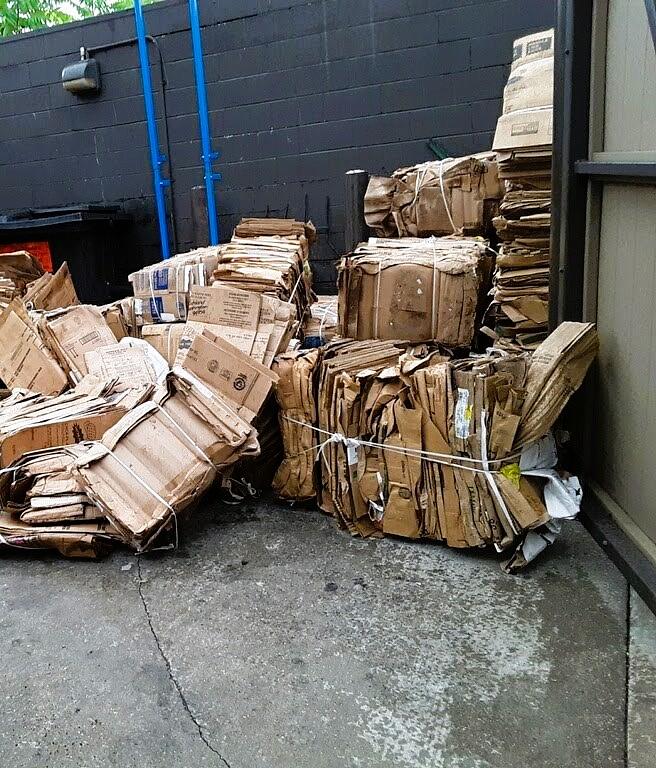
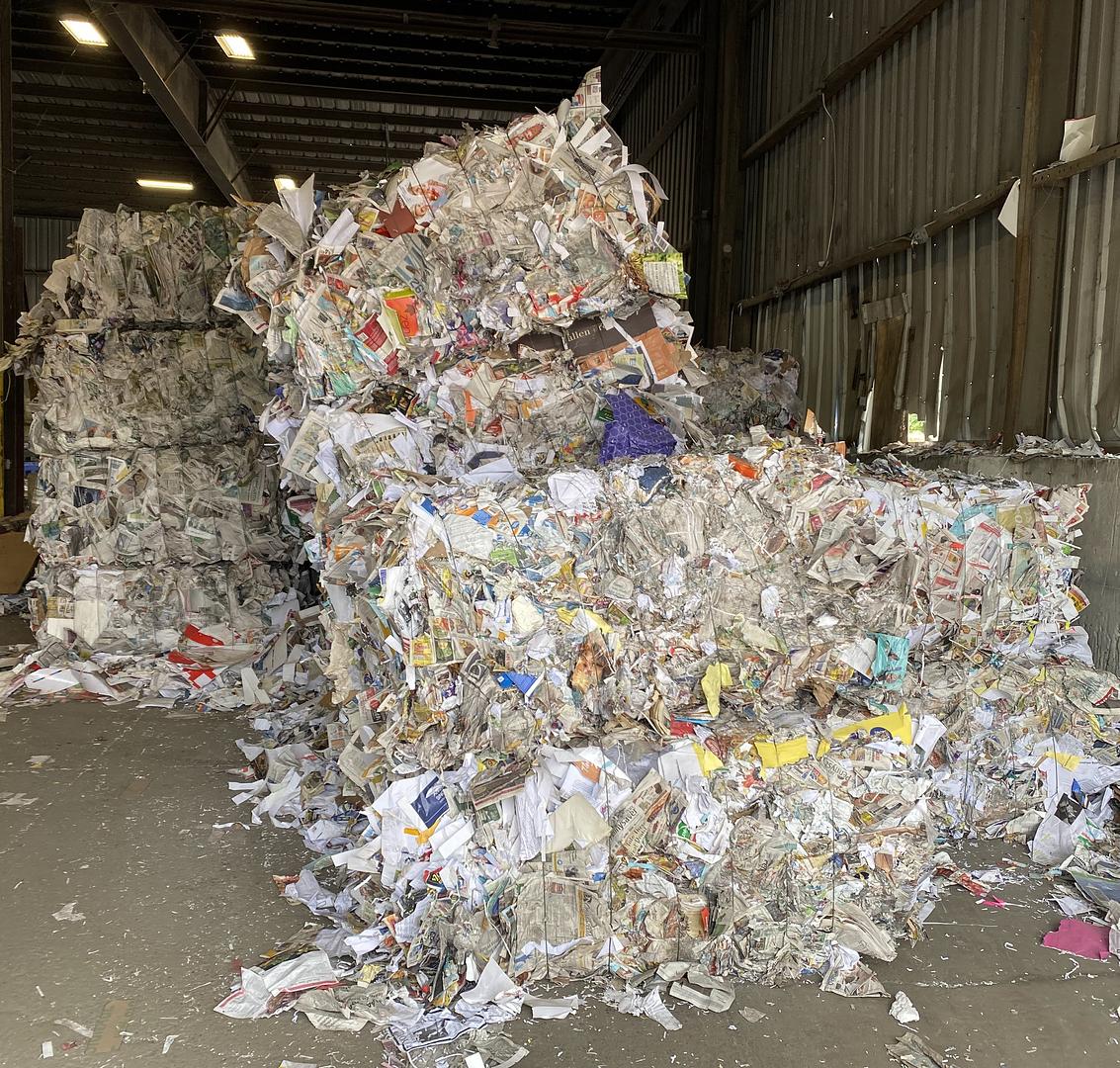
Many facilities measure production by the number of bales produced.
The better measurement is the value of each bale leaving the facility.
Light bales affect far more than transportation.
They impact profitability throughout the entire recycling process.
Why Bale Weight Matters
Every trailer has a maximum legal payload.
The closer each shipment comes to maximizing that payload, the more efficiently transportation dollars are used.
When bale weights are consistently below potential, facilities often require additional truckloads to move the same amount of material.
This increases transportation costs without increasing production.
Bale Integrity Matters Too
Weight alone is not enough.
Strong bale integrity is equally important.
Well-formed bales:
- Stack better
- Transport better
- Reduce damage
- Improve handling
- Increase acceptance at mills and recycling facilities
Poor bale integrity creates additional handling issues throughout the recycling process.
What Causes Light Bales?
Several factors contribute to poor bale weights:
- Worn liners
- Improper hydraulic performance
- Dull ram knives
- Incorrect shear gaps
- Operator inconsistency
- Poor preventative maintenance
- Equipment not properly matched to the application
Many of these issues can be corrected through inspection, adjustment, maintenance, or operator training.
When Equipment Is the Limitation
There are also situations where the equipment itself limits production.
An operation may have grown beyond the capabilities of its existing baler.
In these situations, upgrading to:
- an auto-tie baler
- a full-eject closed-door baler
- a two-ram baler
may provide significant improvements in throughput, bale quality, and operating efficiency.
The BRT Approach
Before recommending replacement equipment, Black River Trading evaluates the entire system.
Sometimes improvements come from:
- Training
- Preventative maintenance
- Equipment adjustments
- Hydraulic repairs
- Operator education
Sometimes a new or reconditioned baler truly is the best long-term investment.
Our goal is helping customers understand the difference.
Final Thought
A baler should produce more than bales.
It should produce value.
If your operation is struggling with light bales, inconsistent bale quality, or poor bale integrity, it may be time to evaluate why.
The answer might be simpler than you think—and if it isn't, we're here to help you find the right solution.