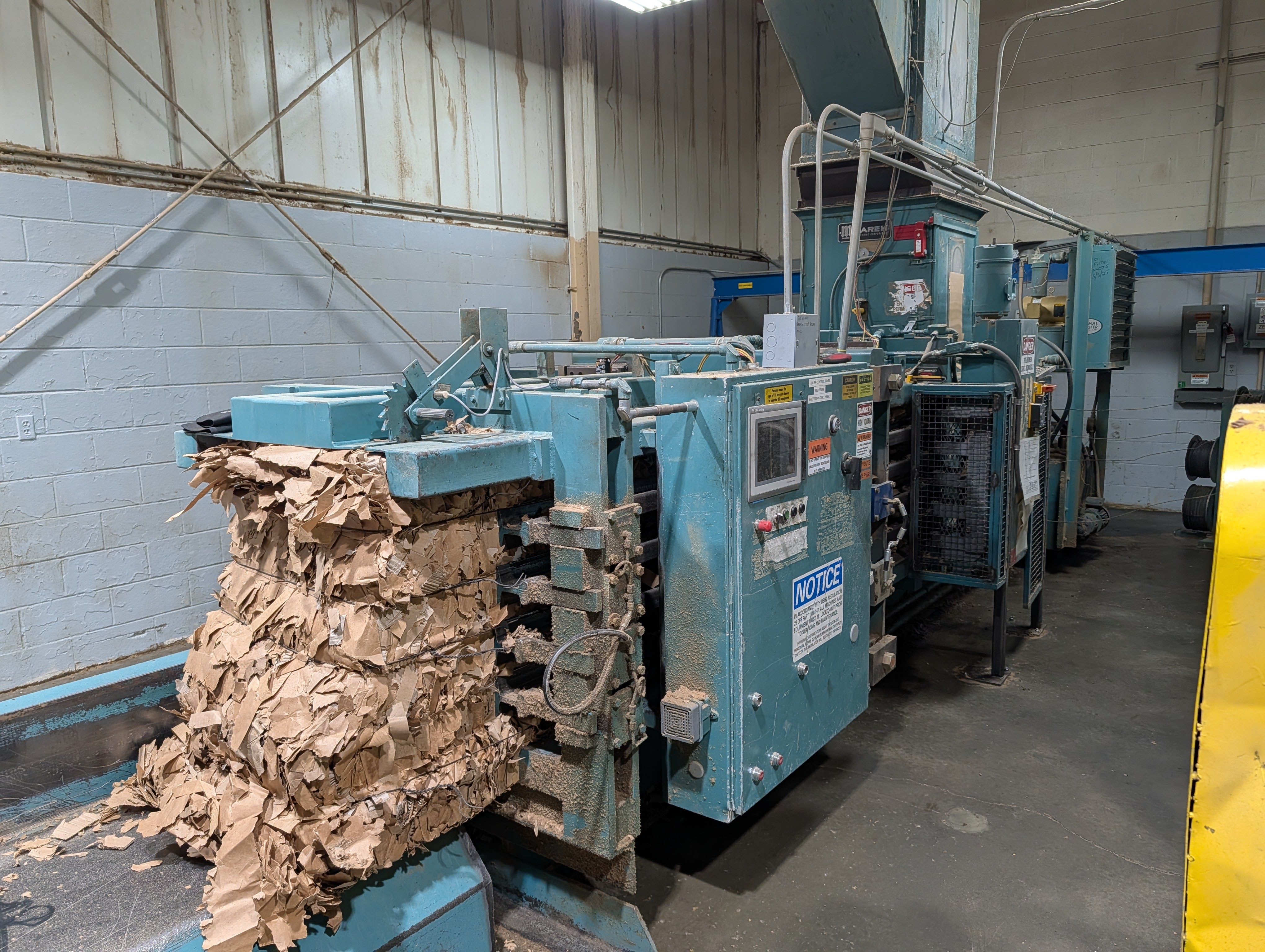
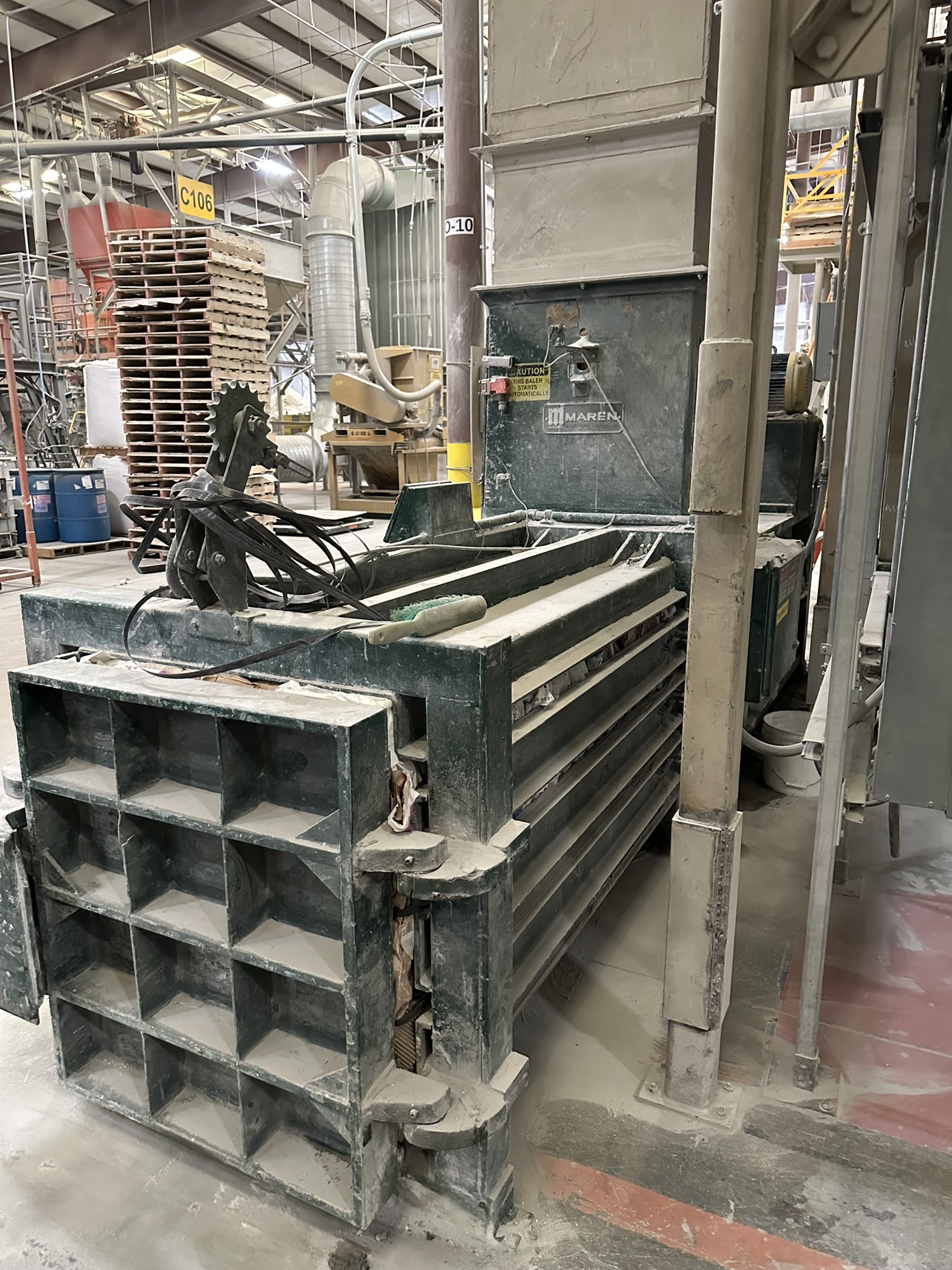
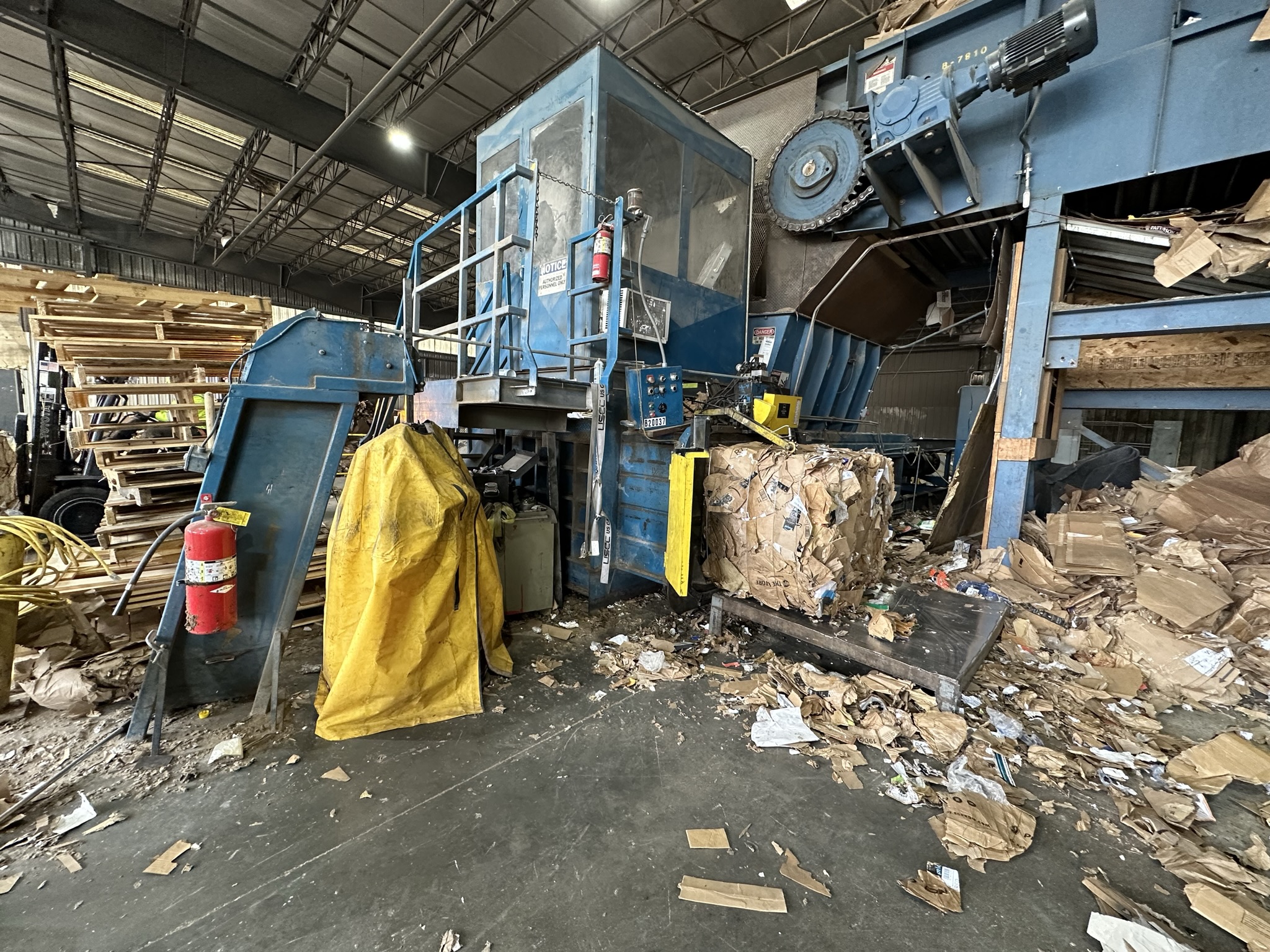
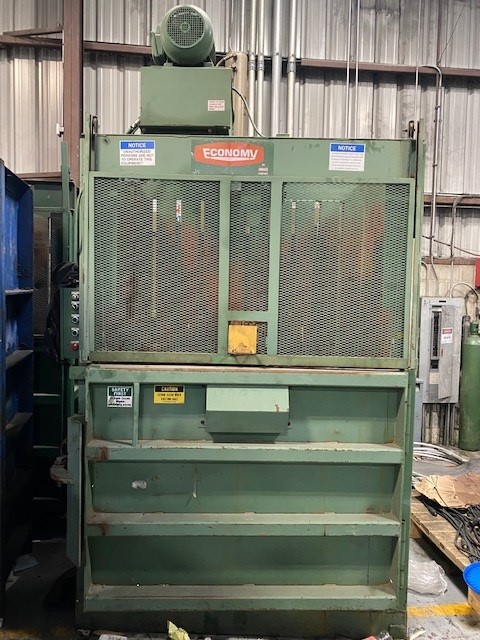
That’s a question worth thinking about.
Forget what the equipment originally cost.
Forget how long you’ve owned it.
Forget that it’s already paid for.
If you were designing your recycling operation from scratch today, knowing everything you know now, would you buy the exact same equipment?
For some operations, the answer will be yes.
For many others, probably not.
And that doesn’t necessarily mean someone made a bad equipment decision years ago.
The operation changed.
The Machine May Be the Same. Your Business Isn’t.
Think about what may have changed since your baler was originally installed.
Production increased.
Material volumes grew.
Labor became more expensive.
Operators changed.
Maintenance resources changed.
Your material stream changed.
Customers changed.
Shipping requirements changed.
Bale requirements changed.
Automation improved.
Your business may be asking a machine purchased 10, 15, or 20 years ago to support an operation that looks completely different today.
The machine didn’t necessarily become wrong.
The application changed around it.
Being Paid For Doesn’t Mean It’s Free
This is where equipment decisions become interesting.
An older baler that’s completely paid for can feel inexpensive.
There’s no monthly payment.
No major capital request.
No new equipment purchase.
But what does operating it actually cost?
Consider the entire process.
How many employees touch the material?
How many times is the material handled?
How much time does maintenance spend on the equipment?
What are you spending on parts?
How frequently are you calling for service?
What are your bale weights?
How much material can the machine process per hour?
How much floor space does the process consume?
How often does production have to wait on the recycling system?
Those costs don’t appear on an equipment invoice.
But they’re still real.
What Does One Ton Cost You to Process?
This is a metric more facilities should understand.
Take the annual cost associated with processing your recyclable material and compare it against the tons actually processed.
Include labor.
Maintenance.
Parts.
Service.
Electricity.
Wire.
Material handling.
Downtime.
Forklift activity.
Transportation.
Then look at the result.
The question isn’t simply whether your baler still works.
The better question is:
Is this still the most economical way for us to process our material?
That’s a very different conversation.
More Capacity Isn’t Always the Answer
It’s also important not to assume that buying a bigger machine automatically fixes everything.
Sometimes the baler isn’t the bottleneck.
Maybe material isn’t getting to it efficiently.
Maybe employees are manually loading something that should be conveyed.
Maybe bulky material needs to be shredded before it reaches the baler.
Maybe inconsistent feeding is preventing the machine from producing the bale density it should.
Maybe the equipment is oversized for the application and unnecessarily complicated.
That’s why BRT prefers looking at the entire recycling and material-handling process.
The goal isn’t to sell the largest baler.
The goal is to improve the operation.
Repair, Rebuild, or Replace?
There are really three conversations we can have.
Repair What You Own
If the equipment still fits the application and remains structurally and mechanically sound, repairing it may provide the best return.
BRT performs field service, hydraulic repairs, electrical troubleshooting, structural repairs, preventive maintenance, and other recycling equipment services.
Rebuild the Right Machine
Sometimes the design and capacity are still right, but the machine needs significant work.
That’s where a professionally rebuilt baler can make sense.
BRT offers used equipment through our different equipment and rebuild packages with corresponding warranty options, allowing customers to balance capital investment, condition, scope, and warranty.
Start Over With New Equipment
And sometimes it’s time to stop designing the operation around yesterday’s equipment.
A properly selected new industrial baler, auto-tie baler, closed-door baler, full-eject baler, two-ram baler, industrial shredder, conveyor, or complete recycling system provides an opportunity to design around the operation you have today—and where you expect it to go tomorrow.
New equipment isn’t automatically the answer.
But neither is continuing to repair an old machine simply because you already own it.
Ask Your Operators
Here’s something every plant manager or operations manager can do this week.
Walk out to the equipment and ask the people who use it:
“If we could change three things about this process, what would they be?”
Then listen.
Your operators may tell you things that never appear on a maintenance report.
They may be handling material twice.
Waiting on cycles.
Clearing jams.
Dealing with inconsistent bales.
Moving material unnecessarily.
Working around controls.
Changing the process because the equipment can’t keep up.
Those little inconveniences, multiplied across hundreds of shifts, can become significant costs.
One Question Worth Answering
You don’t need to buy anything today.
But you should know the answer to this:
If you were designing your recycling operation from scratch today, would you choose the same equipment and process you currently have?
If the answer is yes, take care of it and keep it producing.
If the answer is no, don’t automatically assume replacing it is too expensive.
First, determine what the current process is actually costing you.
Then compare the alternatives.
Repair it. Rebuild it. Replace it.
Black River Trading can help with all three.
Tell us what you’re processing, how you’re handling it today, and what you wish worked better.
We’ll start there.