Industrial balers are built to withstand tremendous forces every day.
However, each application places different stresses on the equipment.
One of the more demanding applications is textile and clothing recycling.
Unlike corrugated cardboard or paper, clothing and textiles compress differently, expand differently, and continuously place pressure on the baler’s structural components. Over time, this additional stress can accelerate wear if the equipment is not inspected and maintained properly.
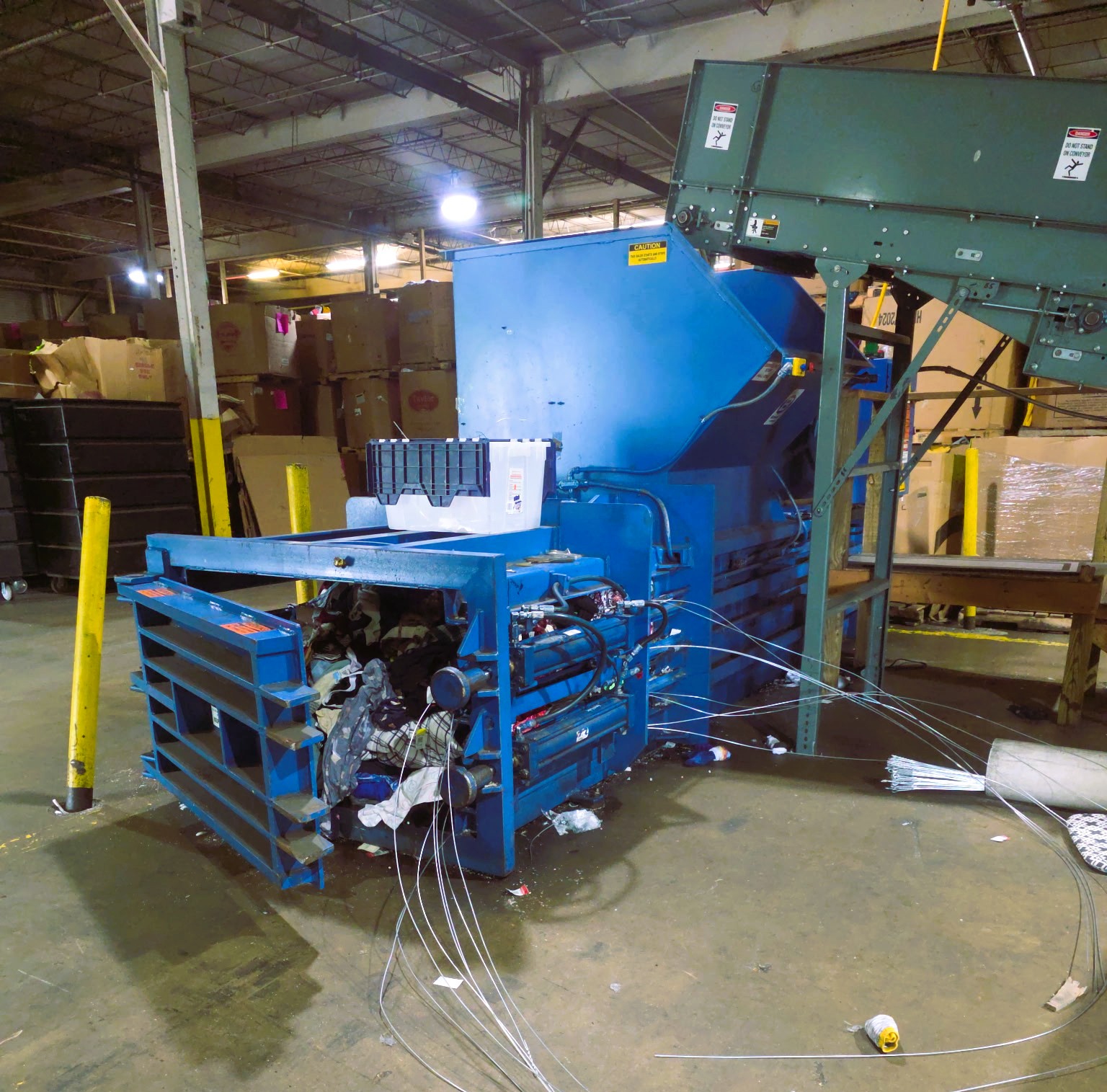
Recently, one of the Black River Trading service crews was called to evaluate a Balemaster 660-AO closed-door baler being used in a textile recycling application.
After completing a full inspection, our technicians discovered several issues that required immediate attention.
Looking Beyond the Obvious
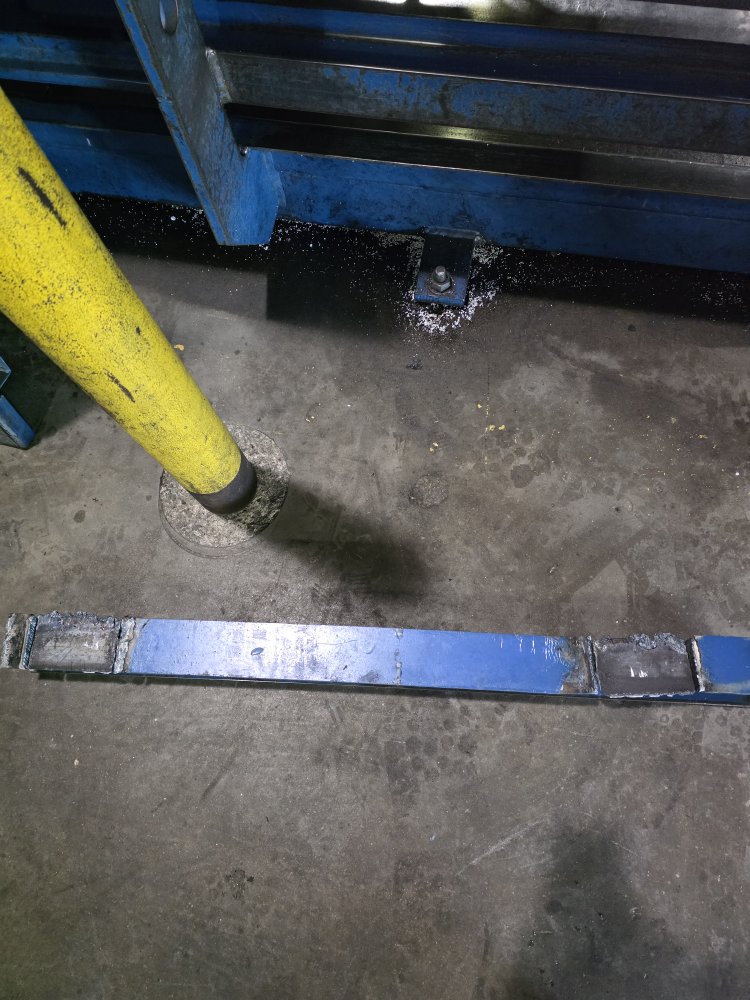
The initial concern was structural cracking within the bale chamber framing.
Upon further inspection, the team also identified:
- Structural damage requiring replacement of part of the bale chamber framing
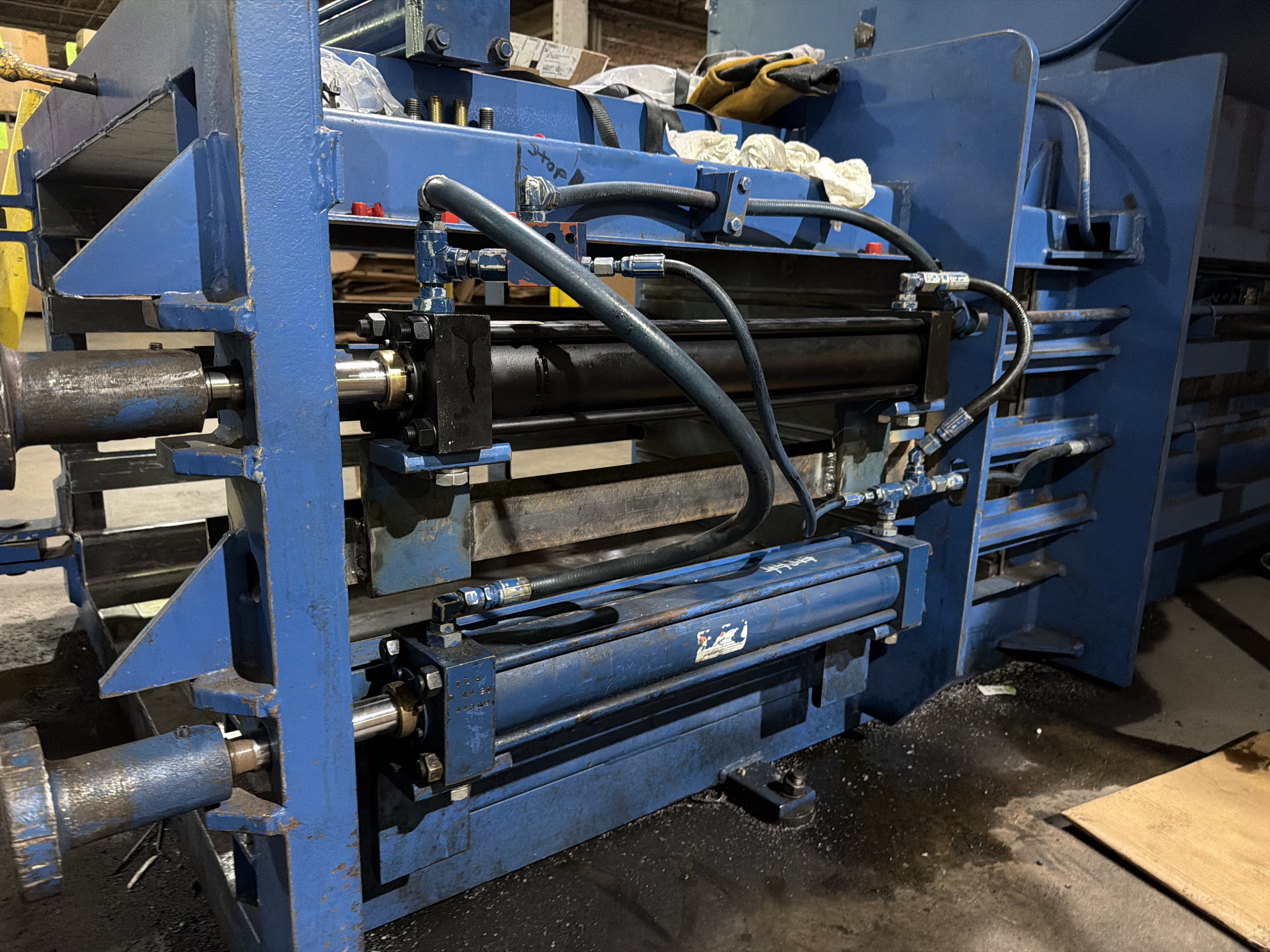
- A damaged door cylinder mounting area
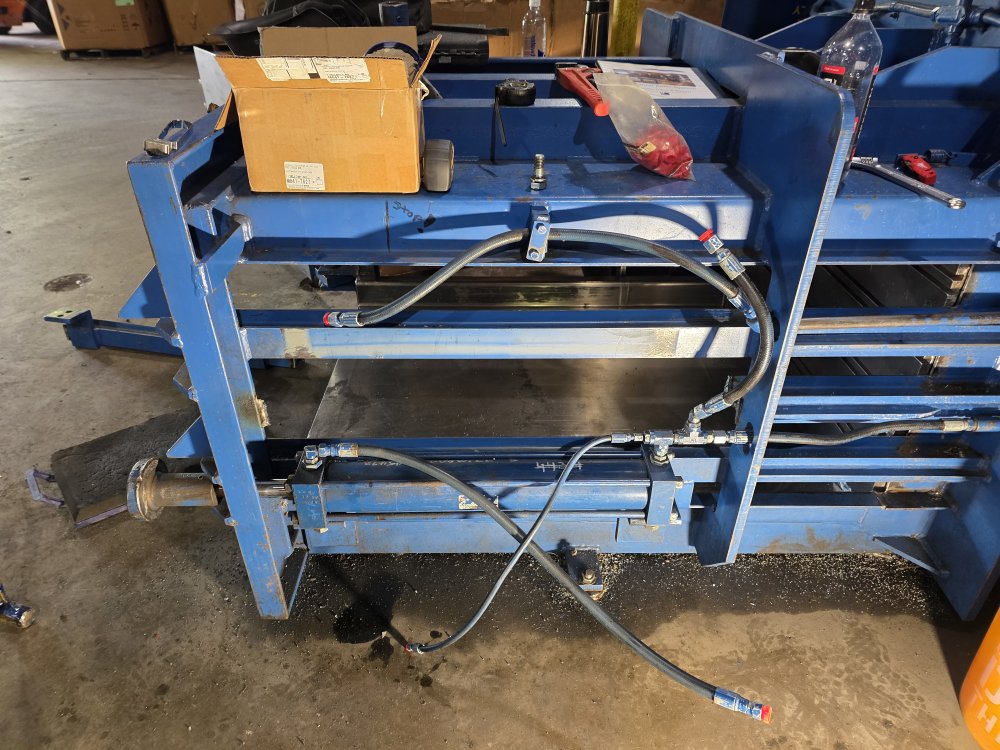
- A failed door cylinder requiring replacement
These types of issues rarely occur overnight.
Most structural failures begin as small stress cracks that gradually grow larger as production continues.
Routine inspections allow these concerns to be identified before they turn into major structural repairs or unexpected downtime.
Every Application Creates Different Wear
One of the biggest misconceptions in industrial recycling is that all balers wear the same way.
They don’t.
Facilities processing:
- Cardboard
- Paper
- Plastics
- Foam
- Aluminum
- Textiles
all place different loads on the machine.
Textile recycling applications are particularly demanding because clothing tends to expand against the chamber walls and doors throughout the compaction cycle.
Over thousands of cycles, these forces can create additional stress on:
- Chamber framing
- Door assemblies
- Cylinder mounts
- Structural welds
- Wear liners
Understanding the application is just as important as understanding the equipment.
Preventative Maintenance Is More Than Routine Service
Many people think preventative maintenance simply means:
- Changing hydraulic filters
- Checking fluid levels
- Greasing bearings
While those tasks are important, true preventative maintenance goes much further.
An experienced recycling equipment technician should also inspect:
- Structural framing
- Weld integrity
- Cylinder mounts
- Hydraulic cylinders
- Wear liners
- Ram knives
- Shear gaps
- Electrical systems
- Safety devices
These inspections help identify wear before it becomes equipment failure.
Why Experienced Technicians Matter
A structural crack may appear insignificant.
An inexperienced eye may overlook it completely.
An experienced technician understands where equipment typically wears, how different materials affect the machine, and what early warning signs indicate larger problems developing.
That knowledge helps customers avoid:
- Unexpected downtime
- Emergency repairs
- Larger structural failures
- Increased repair costs
- Production interruptions
The Repair
The Black River Trading crew completed:
- Replacement of damaged bale chamber framing
- Repair of the door cylinder mounting area
- Installation of a new door cylinder
- Final testing and operational verification
The baler was returned to production, operating the way it was designed to.
Most importantly, the customer was able to continue processing material with confidence.
When Was the Last Time Your Equipment Was Thoroughly Inspected?
One question every facility should ask is:
When was the last time an experienced recycling equipment technician spent time inspecting your baler?
Not simply fixing a problem.
Actually inspecting the machine.
Routine inspections often reveal developing issues that can be corrected before they create expensive downtime.
The BRT Difference
At Black River Trading, we believe service is about much more than repairs.
We help customers:
- Extend equipment life
- Improve reliability
- Reduce downtime
- Train operators and maintenance teams
- Perform meaningful preventative maintenance
- Solve problems before they become emergencies
Because our goal isn’t simply to repair equipment.
Our goal is to help our customers keep their operations running safely, efficiently, and reliably.
If your baler, shredder, or conveyor hasn’t had a thorough inspection recently, we’d be honored to help.