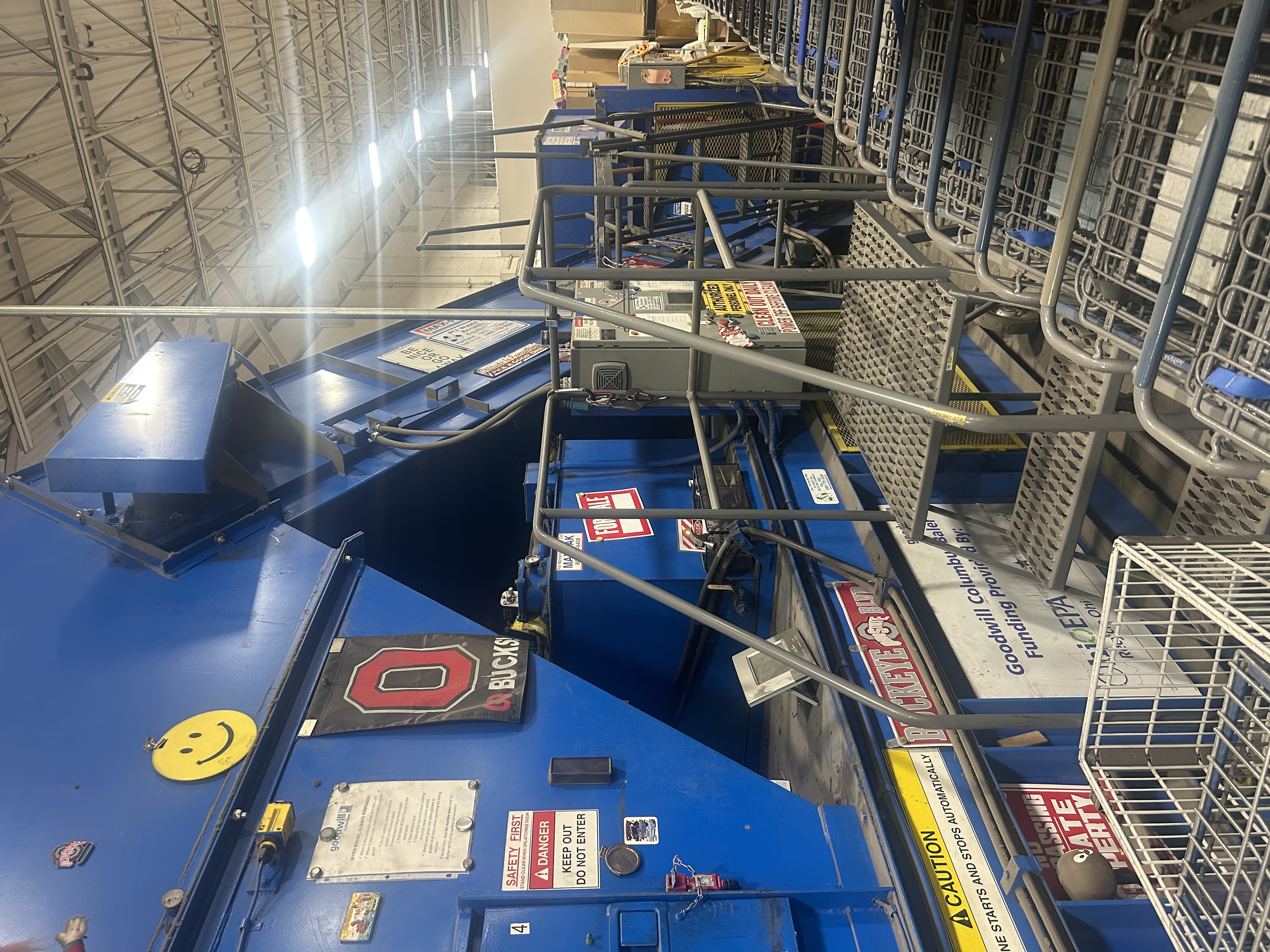
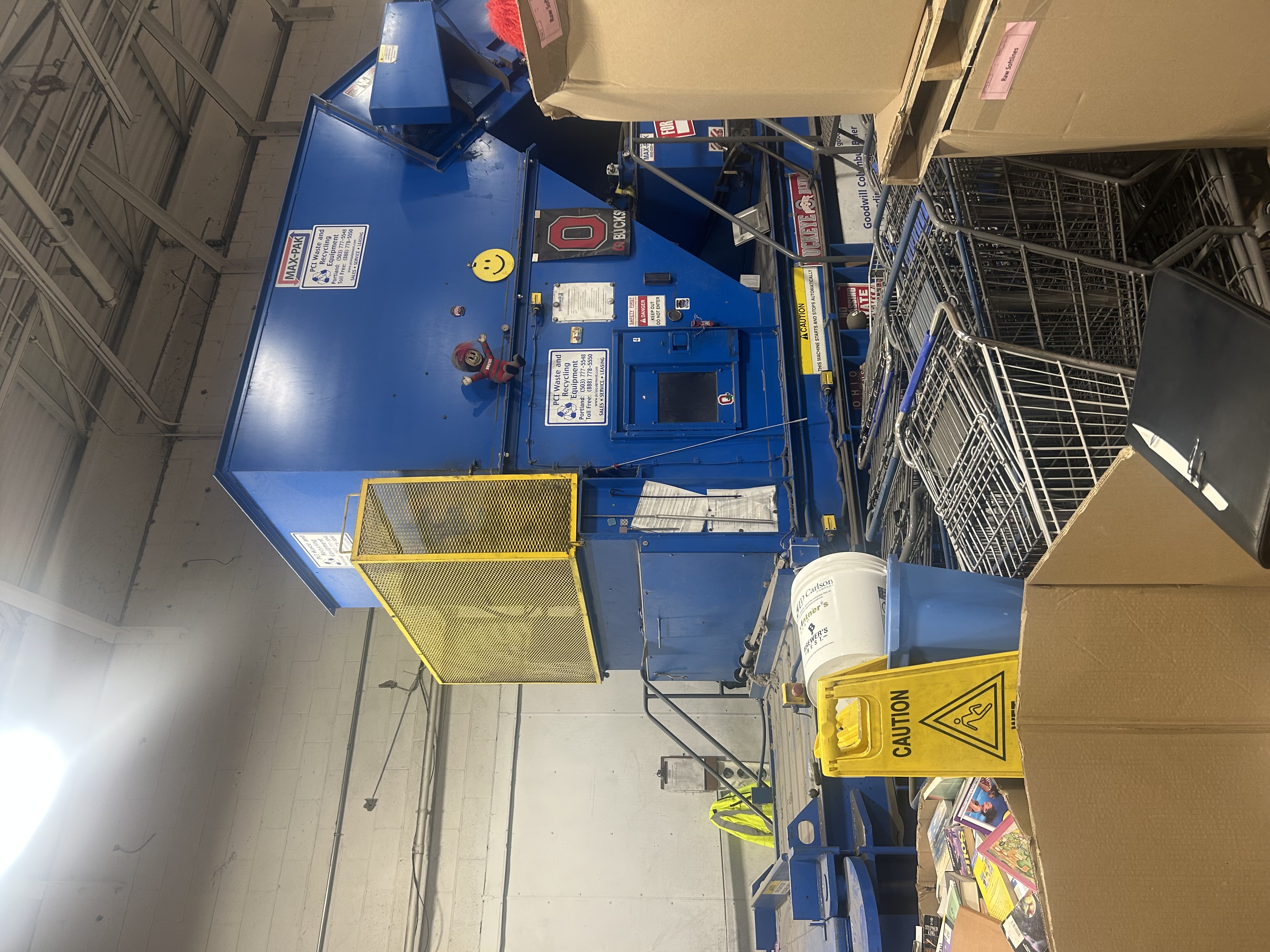
When Did the Workaround Become the Process?
Walk through almost any industrial facility that's been operating the same equipment for years and you'll probably find something interesting.
The employees have adapted.
They know which button needs to be pushed twice.
They know which alarm occasionally needs to be reset.
They know exactly how much material they can put into the baler before it struggles.
Maintenance knows which hydraulic leak needs to be watched.
Someone knows where to stand when the conveyor doesn't feed correctly.
Operators know that certain materials need to be loaded differently because the machine doesn't handle them very well.
And eventually, nobody talks about these things anymore.
They become normal.
That's one of the most overlooked signs that recycling equipment may no longer be supporting the operation the way it should.
Good Operators Can Hide Bad Equipment
Experienced operators are incredibly valuable.
They learn their equipment.
They understand its personality.
They can often keep a machine producing long after someone unfamiliar with it would struggle.
But there's a downside.
A great operator can become so good at compensating for equipment problems that management never sees how much productivity is being lost.
The machine still produces bales.
The conveyor still moves material.
The shredder still processes.
So everything appears to be working.
But is it working well?
That's a very different question.
Count the Workarounds
Instead of asking whether your recycling equipment works, try asking your operators and maintenance team something different:
“What do you have to do every day because this machine doesn't work the way you think it should?”
The answers can be revealing.
Maybe operators are constantly clearing material.
Maybe the conveyor has to be stopped and restarted.
Maybe bale weights aren't consistent.
Maybe the wire tier requires constant attention.
Maybe maintenance is repeatedly adjusting the same component.
Maybe the shredder requires more operator involvement than it used to.
Maybe production has grown and the original equipment simply can't keep up anymore.
Individually, these may seem like small inconveniences.
Multiply them across every shift, every week, and every year and they can become significant operating costs.
Your Business May Have Outgrown the Equipment
Equipment doesn't always need to be replaced because it's worn out.
Sometimes the business simply changed.
A distribution center may process significantly more OCC than it did when the original baler was purchased.
A manufacturer may have added another production line.
A recycler may now process commodities the original equipment was never intended to handle.
Labor availability may have changed.
Production expectations may have increased.
The equipment can still be mechanically functional while being operationally obsolete.
That's an important distinction.
What Would the Right Equipment Change?
This is where the equipment conversation should begin.
Not:
“What baler do you want?”
Instead:
“What would you like to stop dealing with?”
If labor is the problem, additional automation may help.
If production capacity is the problem, a properly sized auto-tie baler or high-production horizontal baler may be the answer.
If multiple commodities are creating challenges, a two-ram baler may provide greater flexibility.
If the operation needs simpler batch processing and reliable bale discharge, a closed-door or full-eject baler may be appropriate.
If material size is limiting downstream production, the answer may involve an industrial shredder.
If feeding is inconsistent, the problem may actually be the conveyor or material-handling system rather than the baler.
The solution depends on the problem.
Service, Rebuild, or New?
Not every workaround means you need new equipment.
Sometimes the machine simply needs an experienced technician.
Training may improve operator performance.
Preventative maintenance may identify neglected issues.
A targeted repair may restore performance.
A professionally reconditioned machine may provide the right balance between capital investment and reliability.
But there are also times when continuing to invest money and labor into the wrong equipment doesn't make sense.
That's when new recycling equipment becomes worth considering.
A properly selected new machine gives the operation an opportunity to start over with equipment sized and configured around what the facility actually needs today—not what it needed 15 years ago.
Don't Design Your Operation Around the Machine
This is ultimately the point.
Your employees shouldn't have to build their day around the limitations of the equipment.
The equipment should support the people and the operation.
At Black River Trading, we help customers evaluate new, reconditioned, and existing recycling equipment with that outcome in mind.
Balers.
Shredders.
Conveyors.
Material-handling systems.
Parts.
Service.
Training.
Preventative maintenance.
The equipment is different from customer to customer, but the objective is the same:
Make the operation work better.
So here's the question we'd encourage you to ask your team today:
What are we working around every day that we've simply accepted as normal?
If the list is longer than you expected, reach out to Black River Trading.
Let's talk about the problem first.
Then we'll figure out the right solution.