Two 30-Year-Old Piqua Balers Repaired in One Week. Is It Time to Consider New Equipment?
Published:
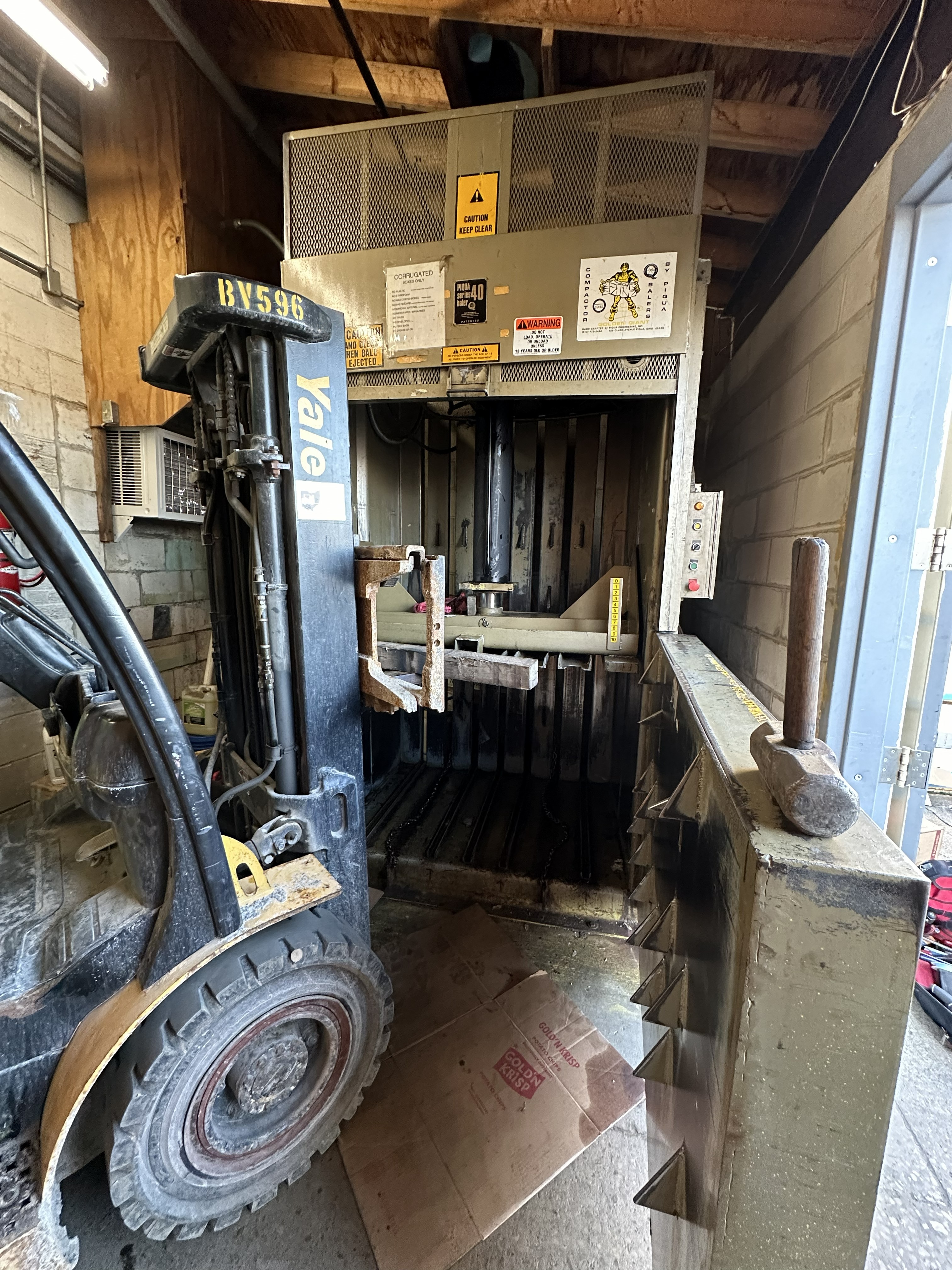
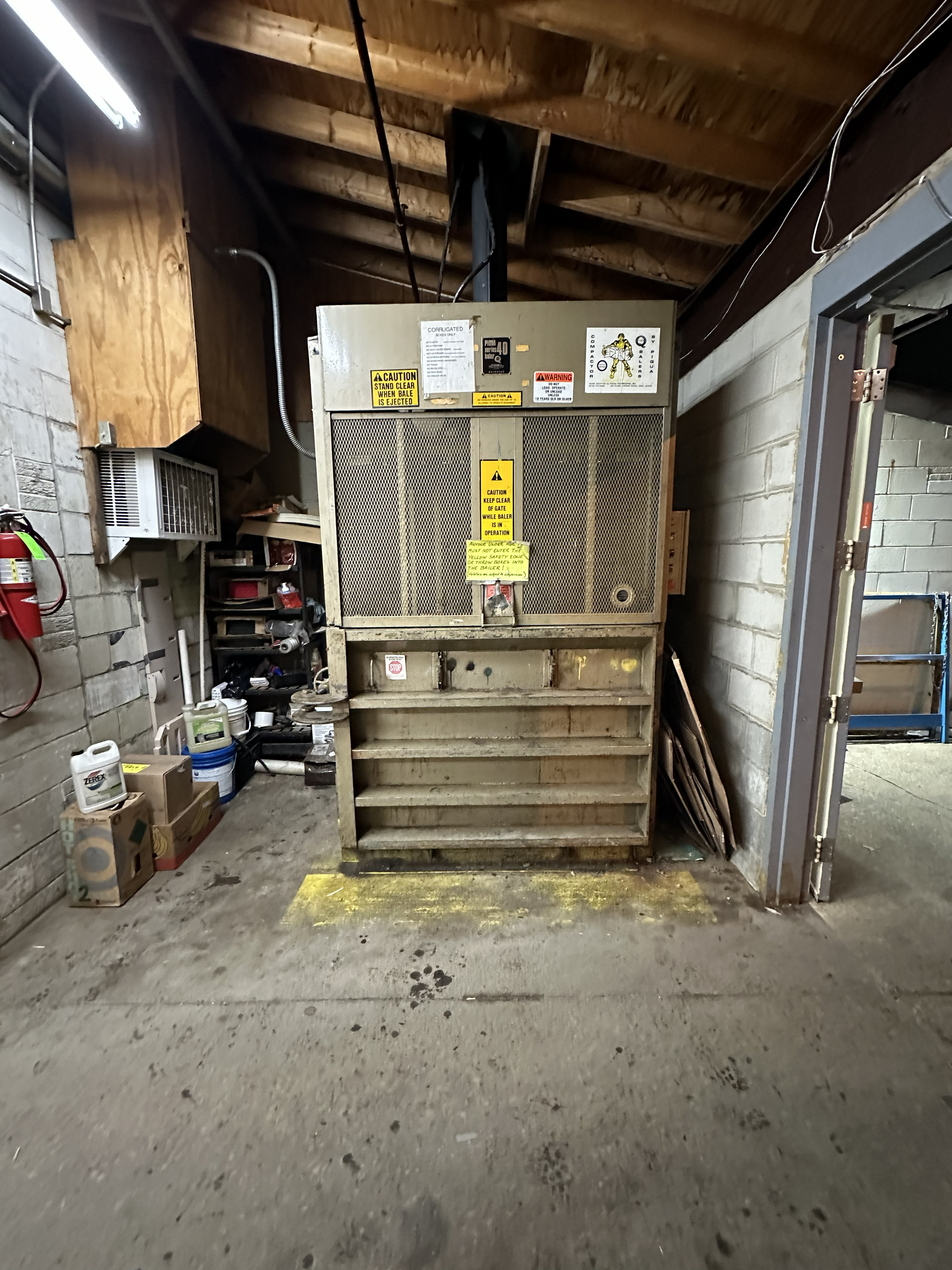
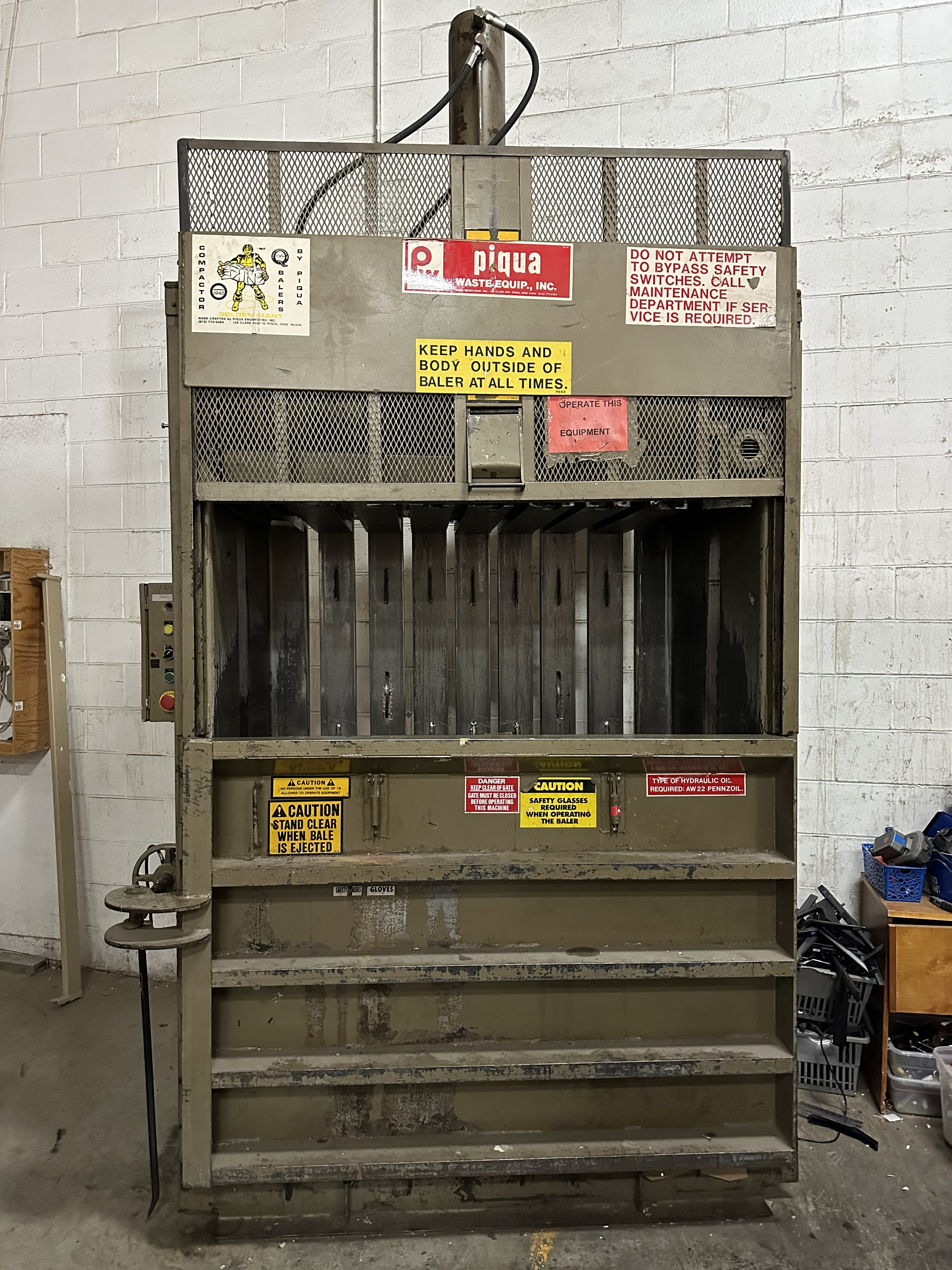
Two Piqua vertical balers. Two major hydraulic repairs. One week.
Our Black River Trading technicians recently completed repairs on two different Piqua vertical balers, both more than 30 years old.
The first machine required a rebuild of its main hydraulic cylinder.
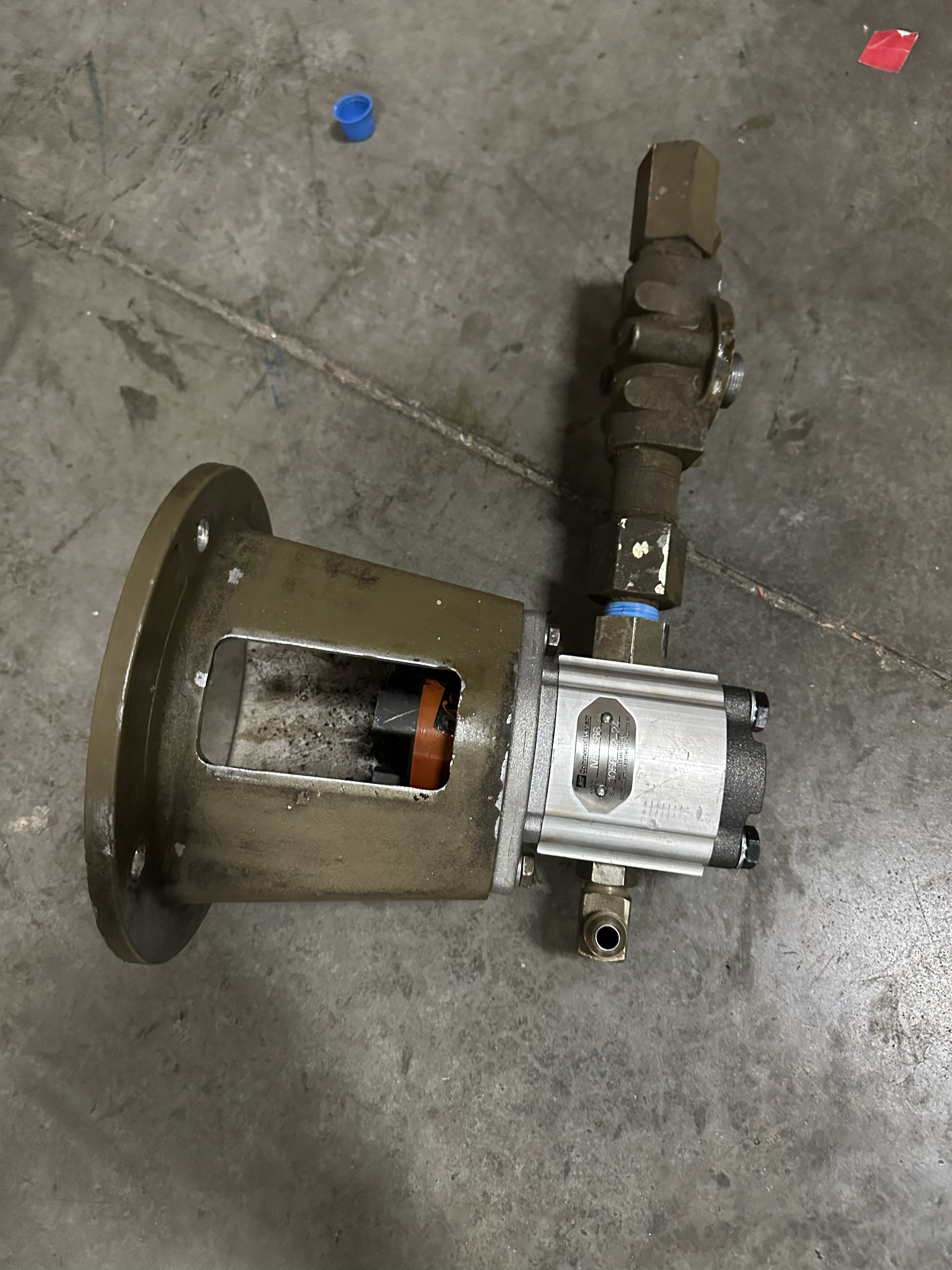
The second required replacement of its hydraulic pump and coupler.
Piqua has been out of business for many years, yet these machines continue operating in facilities throughout the industry.
While our team has the experience to service aging industrial equipment, these repairs raise an important question for anyone operating an older baler:
At what point does continuing to repair outdated equipment stop making financial sense?
The Real Cost of Keeping Older Equipment Running
Many companies continue operating aging equipment because the machine is already paid for.
That's understandable.
A new industrial baler represents a capital investment.
But there's something worth considering.
A machine being paid for doesn't mean it's inexpensive to operate.
Over time, maintenance costs can increase.
Hydraulic components wear.
Electrical controls become outdated.
Replacement parts become difficult to source.
Production interruptions become more frequent.
And employees may spend more time compensating for equipment limitations.
These costs can accumulate gradually, making them easy to overlook.
Two Repairs That Tell a Bigger Story
The first Piqua vertical baler required a hydraulic cylinder rebuild.
The second required a new hydraulic pump and coupler.
Both repairs involved critical components necessary for proper hydraulic operation.
These are examples of the types of repairs that can occur as industrial equipment ages.
While repairing a major component may restore operation, it doesn't change the age or overall condition of the remaining equipment.
A rebuilt cylinder doesn't make the rest of a 30-year-old baler new.
And replacing a hydraulic pump doesn't eliminate the possibility of other aging components requiring attention later.
That's why evaluating the entire machine matters.
How Much Have You Spent on Your Baler Over the Last Five Years?
Here's an exercise worth doing.
Look at your maintenance records.
Add up the cost of:
- Hydraulic repairs
- Electrical repairs
- Replacement parts
- Emergency service calls
- Internal maintenance labor
- Production interruptions
- Repeated troubleshooting
- Other equipment-related expenses
Then consider the amount of time your employees spend operating and maintaining the machine.
The results may be surprising.
Now compare those expenses against the investment in a new vertical baler.
What Does a New Vertical Baler Offer?
Modern vertical balers can provide advantages over older equipment, depending on the application and model selected.
These may include:
Manufacturer Support: Access to current equipment documentation, replacement parts, and technical resources.
Warranty Coverage: Manufacturer-backed warranty protection for qualifying equipment and components.
Modern Safety Systems: Current guarding, controls, and safety features designed for the equipment.
Improved Operation: Equipment designed around today's material-handling requirements.
Equipment Reliability: Starting with new machinery rather than inheriting decades of wear and repair history.
Long-Term Value: An opportunity to establish a new maintenance history and plan for future equipment support.
The objective isn't simply to replace an old machine with a newer one.
It's to make an investment that supports the operation for years to come.
New Bramidan Vertical Balers From BRT
Black River Trading offers new vertical balers from Bramidan, providing customers with modern equipment solutions for cardboard, OCC, plastics, and other compatible recyclable materials.
Vertical balers can be excellent solutions for manufacturing facilities, warehouses, distribution centers, retail operations, and other businesses generating recyclable material.
Our team can help evaluate the application and recommend equipment based on:
Material type.
Daily or weekly volume.
Available floor space.
Bale requirements.
Loading method.
Operator requirements.
Future growth.
The right vertical baler should fit the operation today and provide room for reasonable future needs.
Has Your Operation Outgrown Vertical Baling?
Sometimes replacing an aging vertical baler with another vertical baler isn't the best answer.
Material volumes may have increased significantly since the original machine was installed.
Employees may be spending too much time manually loading, tying, and removing bales.
Or the facility may benefit from a more automated recycling process.
That's where BRT can help customers evaluate other new equipment solutions.
Balemaster Auto-Tie and Closed-Door Balers
For higher-volume applications, Balemaster offers industrial horizontal balers, including auto-tie and closed-door equipment.
Excel Full-Eject Closed-Door Balers
For applications requiring complete bale ejection or specialty material handling, Excel provides additional equipment options.
Excel Small and Large Two-Ram Balers
For facilities processing multiple commodities or requiring greater production capacity, Excel offers both smaller two-ram and large high-production balers.
Don't automatically replace an old machine with the same type of machine. Evaluate what your operation actually needs today.
BRT Handles the Entire Replacement Project
Purchasing a new baler should be straightforward.
At Black River Trading, we can help customers through the entire process.
From equipment selection and application review to delivery coordination, removal of existing equipment, installation, startup, and operator training, our team provides complete project support.
We also offer preventative maintenance, OEM parts, baling wire, troubleshooting, and field service after installation.
For customers who want a more proactive approach to equipment care, BRT can also discuss available maintenance programs.
The goal is to make replacing aging equipment easier while providing dependable support after the sale.
When Should You Replace an Older Vertical Baler?
There isn't a universal age at which every baler should be replaced.
But there are warning signs worth considering.
Increasing repair frequency.
Major hydraulic component failures.
Difficulty obtaining replacement parts.
Outdated controls.
Structural deterioration.
Safety concerns.
Insufficient production capacity.
Excessive operator involvement.
When several of these issues begin appearing together, replacement deserves serious consideration.
Here's Our Challenge to You
If your vertical baler is 20, 25, or 30 years old, ask yourself:
"If this machine failed tomorrow, would we repair it again—or would we finally replace it?"
If the answer is replacement, why wait for the emergency?
Planning ahead gives you time to evaluate equipment, review your application, consider financing, and coordinate installation around your production requirements.
Don't wait until another major repair forces the decision.
Ready for a New Vertical Baler?
Black River Trading would appreciate the opportunity to help you evaluate a new Bramidan vertical baler or another industrial baling solution.
We can help determine the right equipment for your material, volume, available space, and operating requirements.
And we'll be here to support the equipment after installation.
New equipment. Professional installation. Operator training. Parts. Service. Long-term support.
Contact Black River Trading
📞 (855) 278-1979
✉️ sales@brtequipment.com
Value. Integrity. Partnership. Exceptional Support.